Fluffy Buttermilk Biscuits
Fluffy Buttermilk Biscuits
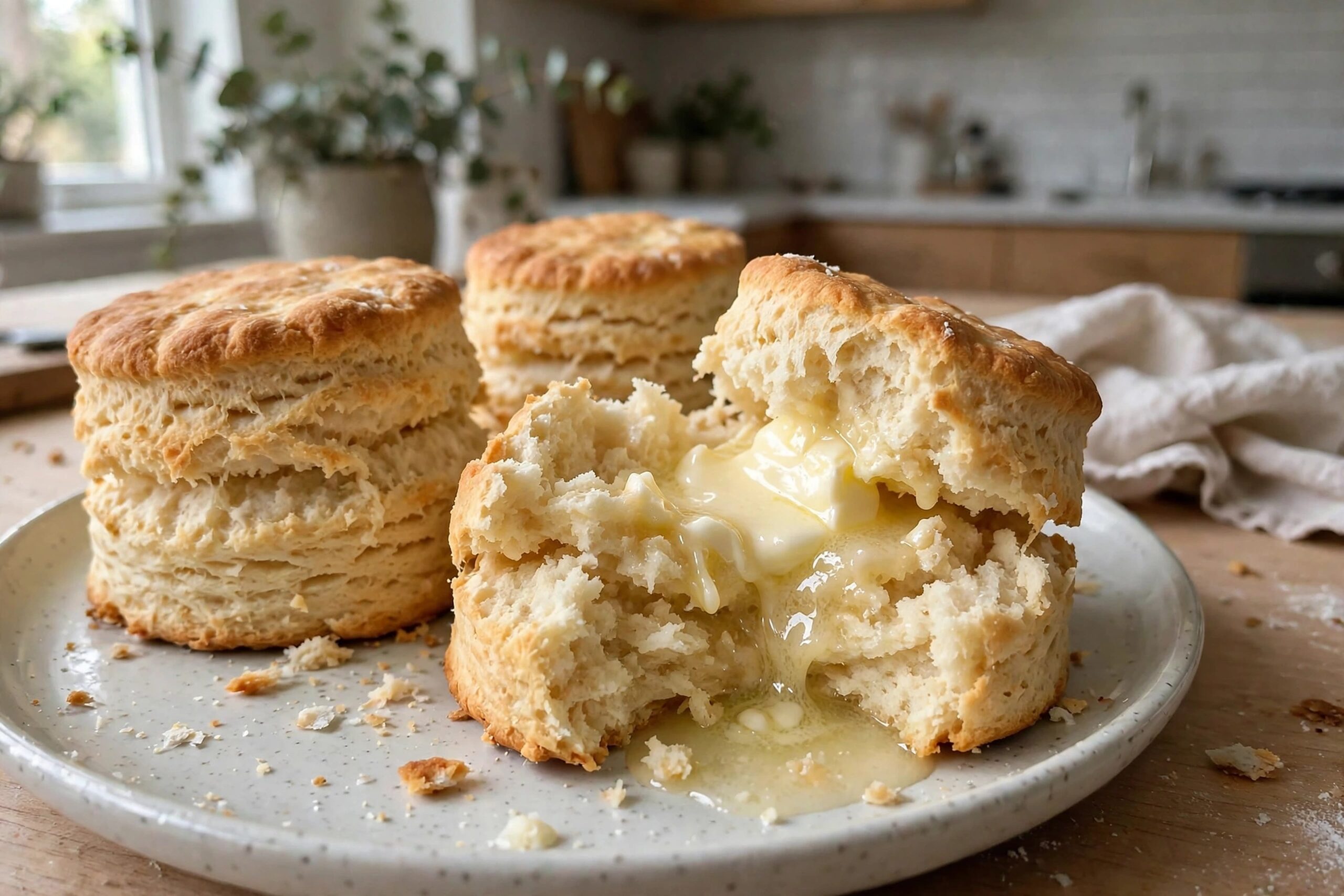
A proper biscuit should stand tall, pull apart in soft layers, and make you reach for the butter before it has even cooled. These Fluffy Buttermilk Biscuits do exactly that — golden…
A proper biscuit should stand tall, pull apart in soft layers, and make you reach for the butter before it has even cooled. These Fluffy Buttermilk Biscuits do exactly that — golden on top, tender in the middle, and sturdy enough for gravy, jam, or a fried egg tucked inside.
I’m Samuel, and here at Samuel’s Recipes I believe biscuits are a skill every home cook deserves to feel confident about. They ask for only a handful of ingredients, but they reward a few simple habits: cold butter, cold buttermilk, a light hand, and a genuinely hot oven. Get those four things right and the biscuits take care of themselves.
This is my everyday recipe — the one for Saturday mornings, for holiday tables, and for those evenings when breakfast-for-supper is the best idea anyone has had all day. Mix a batch, bake them tall, and watch them vanish.
Why You’ll Love This Recipe
- Tall and flaky: a simple folding technique builds real, pull-apart layers.
- Cold-butter method: grated frozen butter distributes easily and creates maximum lift.
- Pantry ingredients: flour, butter, buttermilk and leaveners — nothing special to buy.
- Ready in about 35 minutes: fifteen minutes of gentle work and a short, hot bake.
- Freezer friendly: freeze them cut and raw, then bake straight from frozen.
- Versatile: split them for jam, honey, sausage-free egg sandwiches, or creamy gravy.
Ingredients
For the Biscuits
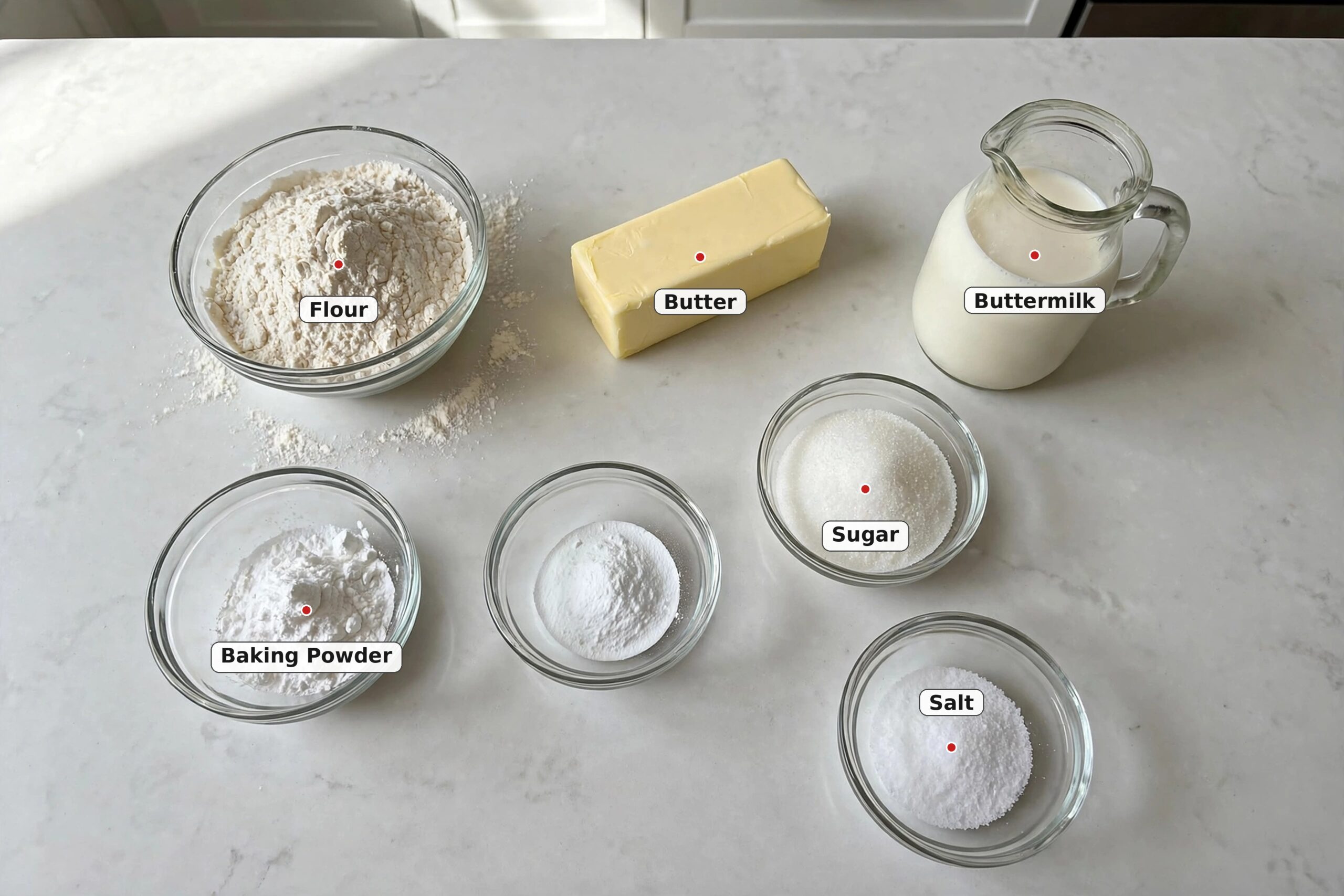
- 3 cups (375 g) all-purpose flour, plus more for dusting
- 1 tablespoon baking powder
- 1/2 teaspoon baking soda
- 1 tablespoon granulated sugar
- 1 1/2 teaspoons fine salt
- 1/2 cup (115 g) unsalted butter, frozen
- 1 1/4 cups (300 ml) cold buttermilk, plus 2 tablespoons for brushing
For Serving
- Softened butter
- Honey or fruit jam
- Warm creamy gravy (optional)
Instructions
Step 1: Heat the oven to 450°F (230°C). Line a baking sheet with parchment, or lightly grease a cast iron skillet. A ripping-hot oven is essential for tall biscuits, so give it plenty of time to preheat.
Step 2: In a large bowl, whisk together the flour, baking powder, baking soda, sugar and salt until well combined and airy.
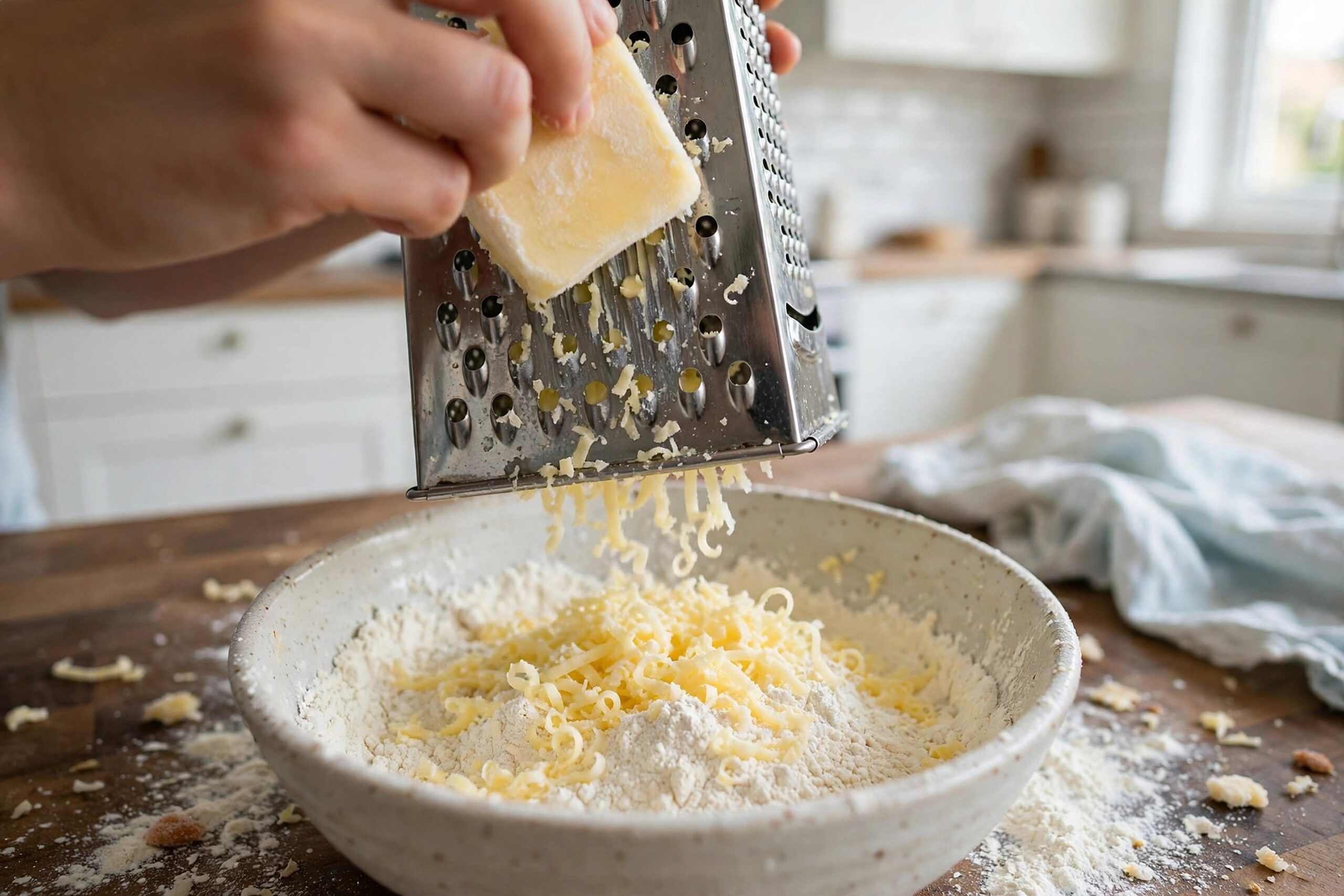
Step 3: Grate the frozen butter on the large holes of a box grater directly into the flour. Toss gently with your fingers until the butter shreds are coated. Working with frozen grated butter keeps everything cold and makes this step fast and foolproof.
Step 4: Pour in the cold buttermilk and stir with a spatula just until a shaggy dough forms and no dry flour remains at the bottom of the bowl. The dough should look rough — that is exactly right. Do not overmix.
Step 5: Turn the dough onto a lightly floured surface and pat it into a rough rectangle about 1 inch thick. Fold it in half, pat it back out, and repeat the folding 4 to 5 times in total. These folds are what create the flaky layers.
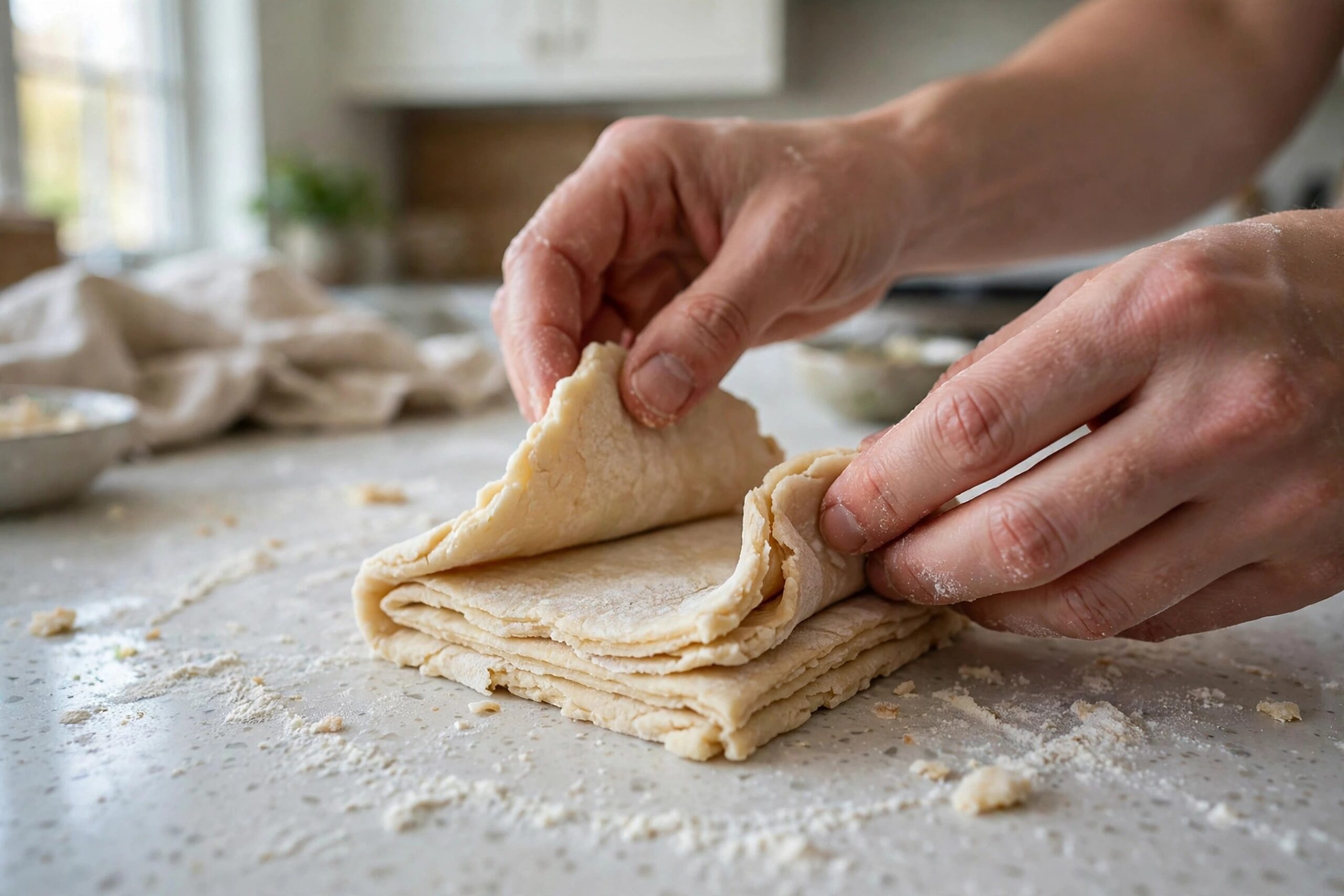
Step 6: Pat the dough to a final thickness of about 1 inch. Dip a 2 1/2-inch biscuit cutter in flour and cut straight down without twisting — twisting seals the edges and stops the rise. Gather the scraps gently, pat out, and cut again.
Step 7: Arrange the biscuits on the prepared pan so they are just touching each other. Biscuits that touch help each other climb, giving you taller sides and soft edges.
Step 8: Brush the tops lightly with the reserved buttermilk for a golden finish. If you have time, set the whole pan in the freezer for 10 minutes while the oven finishes heating — cold dough in a hot oven rises highest.
Step 9: Bake for 14 to 16 minutes, until the biscuits are tall, deeply golden on top, and cooked through at the sides. Rotate the pan once halfway if your oven browns unevenly.
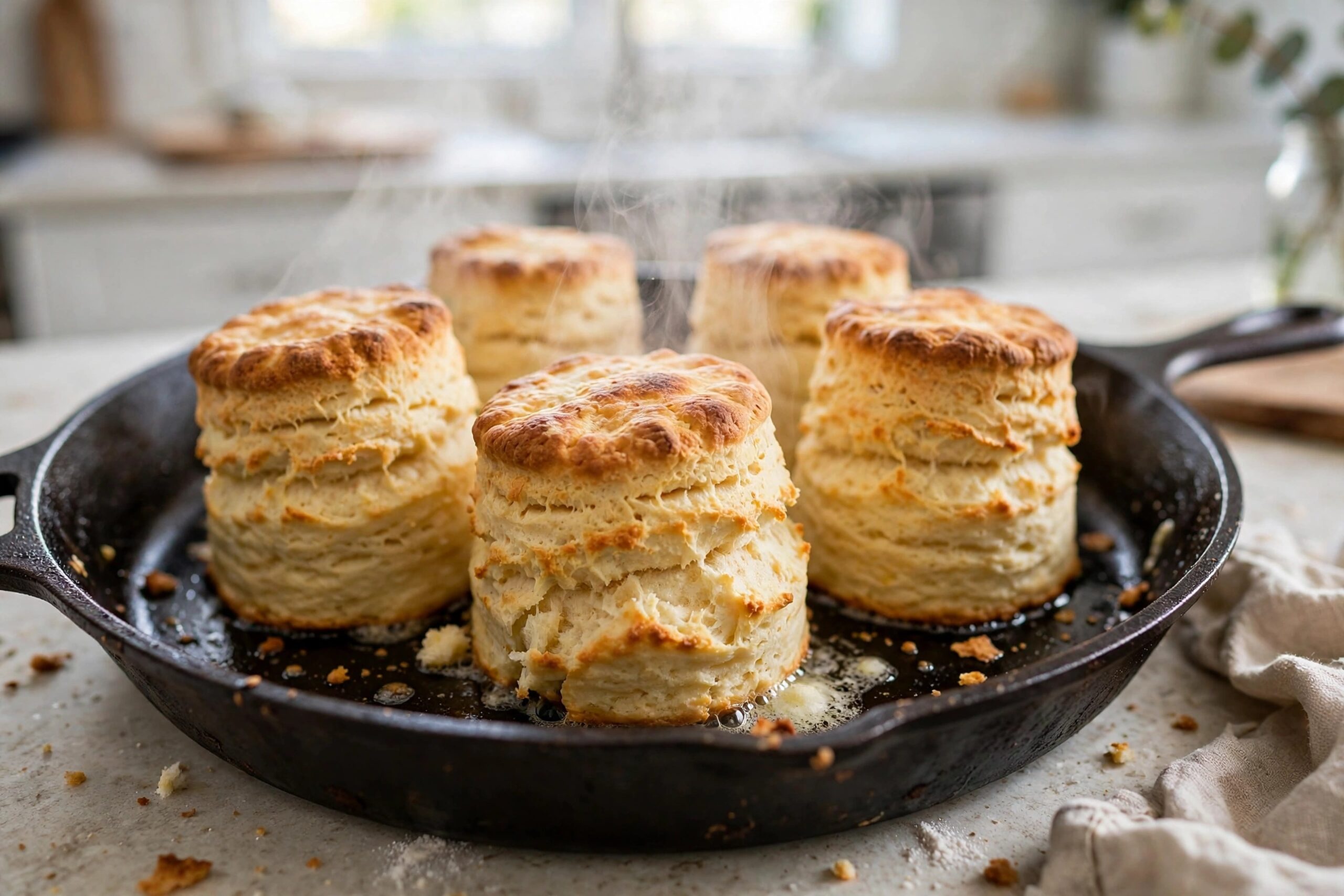
Step 10: Let the biscuits rest for 5 minutes, then serve warm with softened butter, honey or jam. Biscuits are at their very best within the first half hour, so call everyone to the table before you pull them out.
Why the Folds Matter
If you have ever pulled apart a great biscuit and seen the layers separate like the pages of a book, you have seen what folding does. Each fold stacks thin sheets of dough separated by thin sheets of cold butter. In the hot oven, the butter melts and releases steam, and that steam pushes the sheets apart into distinct, tender layers. Five gentle folds give you plenty of layers without toughening the dough — fold much more than that and you start working the flour too hard, trading tenderness for structure.
The other quiet hero is the acid in the buttermilk. It reacts with the baking soda for an immediate lift, tenderizes the flour so the crumb stays soft, and adds that gentle tang that makes a biscuit taste like a biscuit and not like a plain scone. It is a small ingredient doing three jobs at once, which is why I don’t skip it — and why the lemon-and-milk substitute in the questions below works when the carton runs out.
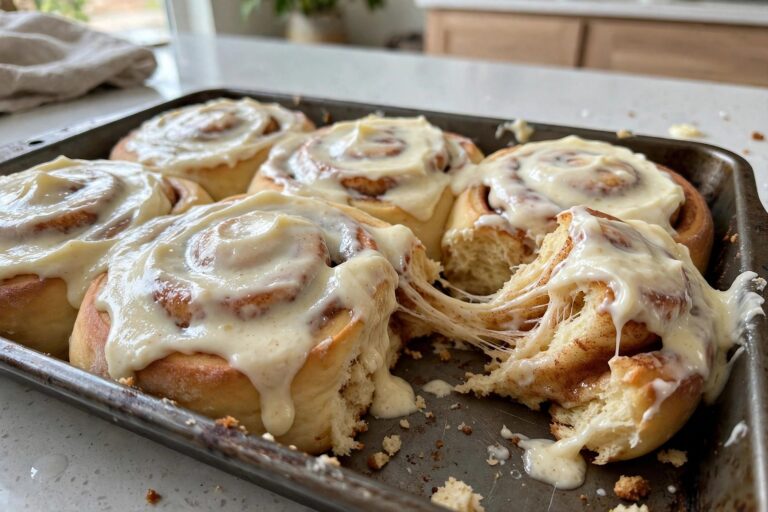
 Try this nextSoft Cinnamon Rolls
Tips for the Tallest Biscuits
- Keep everything cold: cold butter creates steam in the hot oven, and steam is what lifts the layers apart. If your kitchen is warm, chill the mixed dry ingredients for 10 minutes too.
- Never twist the cutter: press straight down and lift straight up. A twisted cut seals the layers shut.
- Pat, don’t roll: a rolling pin compresses the dough. Your hands keep it tender.
- Hot oven, no peeking: open the door only once to rotate. Every peek costs you heat and height.
- Measure flour by spooning: spoon flour into the cup and level it. Scooping packs in extra flour and makes heavy biscuits.
- Place them touching: snug biscuits rise up instead of spreading out.
Easy Variations
Cheddar Biscuits
Fold 1 cup (115 g) of shredded sharp cheddar and 2 sliced green onions into the dough at the folding stage. Brush with butter and a pinch of garlic powder after baking.
Herb Biscuits
Add 2 tablespoons of finely chopped fresh herbs — chives, parsley and thyme are lovely — to the dry ingredients for a biscuit that loves eggs and gravy.
Sweet Shortcake Biscuits
Increase the sugar to 1/4 cup, add 1 teaspoon of vanilla to the buttermilk, and sprinkle the tops with coarse sugar before baking. Split and fill with macerated strawberries and whipped cream.
How to Store / Make Ahead
Make ahead: cut the biscuits, place them on a tray, and freeze until solid. Store frozen for up to 2 months and bake from frozen at 450°F (230°C) for 18 to 20 minutes.
Room temperature: baked biscuits keep in an airtight container for 1 day.
Refrigerator: store baked biscuits for up to 4 days, well wrapped.
Reheating: warm in a 350°F (175°C) oven for 6 to 8 minutes to restore the crisp exterior. Avoid the microwave, which makes them tough.
Frequently Asked Questions
Why didn’t my biscuits rise?
The usual causes are old baking powder, warm butter, a twisted cutter, or an oven that wasn’t fully preheated. Check your leavener dates, keep the dough cold, cut straight down, and let the oven reach full temperature.
Can I use regular milk instead of buttermilk?
Yes, with a swap: stir 1 tablespoon of lemon juice or white vinegar into the milk and let it stand 10 minutes. The acidity is needed to activate the baking soda, so don’t use plain milk without it.
Can I make the dough ahead?
Cut biscuits freeze far better than bulk dough keeps in the fridge, because the leaveners lose strength once wet. Freeze the cut biscuits and bake from frozen for the best rise.
Why are my biscuits dry?
Too much flour or too long in the oven are the usual culprits. Spoon and level your flour, and pull the biscuits when they are golden, not dark brown.
Do I need a biscuit cutter?
No. A sharp knife cutting the dough into squares works beautifully and wastes nothing — square biscuits have the same layers and no scraps to re-roll.
What to Serve With Biscuits
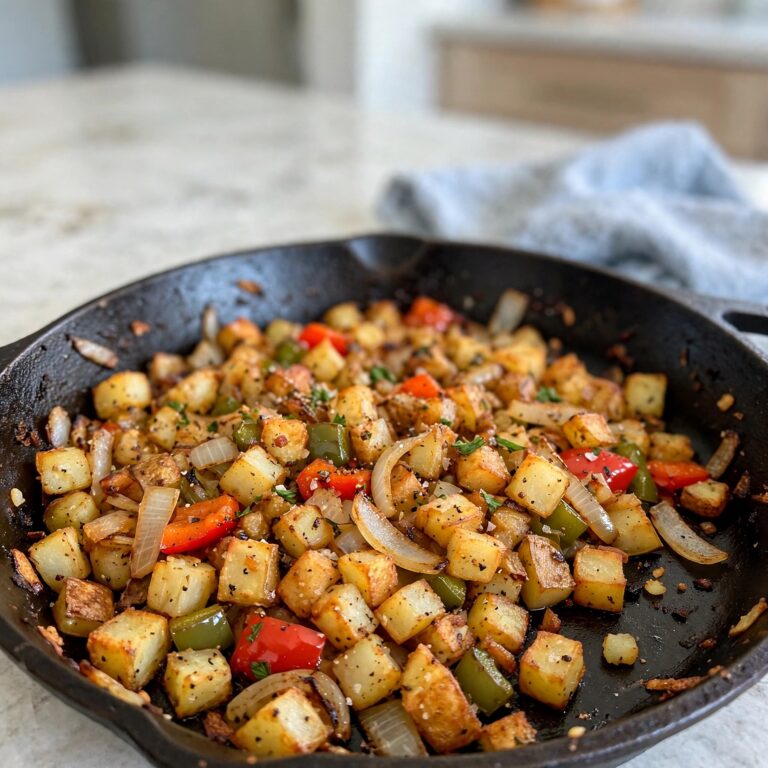
Warm biscuits need very little help, but they welcome good company: scrambled eggs and crispy breakfast potatoes for a full morning plate, a bowl of fresh fruit to brighten things up, or simply good jam and salted butter with hot coffee. Split one and tuck in a fried egg and a slice of cheese and you have a breakfast sandwich that rivals anything from a drive-through window.
Final Thoughts
There is a moment, about twelve minutes into the bake, when the kitchen starts to smell like butter and warm flour, and everybody finds a reason to walk through. That is the moment these biscuits are really about.
Bake a batch this weekend, split one open while it is still steaming, and put the butter on thick. Then tell me in the comments what you filled yours with. Happy cooking!
Samuel
Fluffy Buttermilk Biscuits
A proper biscuit should stand tall, pull apart in soft layers, and make you reach for the butter before it has even cooled. These Fluffy Buttermilk Biscuits do exactly that — golden…
Ingredients
Biscuits
Serving
Method
- 1Heat the oven to 450°F (230°C). Line a baking sheet with parchment, or lightly grease a cast iron skillet. A ripping-hot oven is essential for tall biscuits, so give it plenty of time to preheat.
- 2In a large bowl, whisk together the flour, baking powder, baking soda, sugar and salt until well combined and airy.
- 3Grate the frozen butter on the large holes of a box grater directly into the flour. Toss gently with your fingers until the butter shreds are coated. Working with frozen grated butter keeps everything cold and makes this step fast and foolproof.
- 4Pour in the cold buttermilk and stir with a spatula just until a shaggy dough forms and no dry flour remains at the bottom of the bowl. The dough should look rough — that is exactly right. Do not overmix.
- 5Turn the dough onto a lightly floured surface and pat it into a rough rectangle about 1 inch thick. Fold it in half, pat it back out, and repeat the folding 4 to 5 times in total. These folds are what create the flaky layers.
- 6Pat the dough to a final thickness of about 1 inch. Dip a 2 1/2-inch biscuit cutter in flour and cut straight down without twisting — twisting seals the edges and stops the rise. Gather the scraps gently, pat out, and cut again.
- 7Arrange the biscuits on the prepared pan so they are just touching each other. Biscuits that touch help each other climb, giving you taller sides and soft edges.
- 8Brush the tops lightly with the reserved buttermilk for a golden finish. If you have time, set the whole pan in the freezer for 10 minutes while the oven finishes heating — cold dough in a hot oven rises highest.
- 9Bake for 14 to 16 minutes, until the biscuits are tall, deeply golden on top, and cooked through at the sides. Rotate the pan once halfway if your oven browns unevenly.
- 10Let the biscuits rest for 5 minutes, then serve warm with softened butter, honey or jam. Biscuits are at their very best within the first half hour, so call everyone to the table before you pull them out.
Notes
Make ahead: cut the biscuits, place them on a tray, and freeze until solid. Store frozen for up to 2 months and bake from frozen at 450°F (230°C) for 18 to 20 minutes. Room temperature: baked biscuits keep in an airtight container for 1 day.