Belgian Waffles
Belgian Waffles
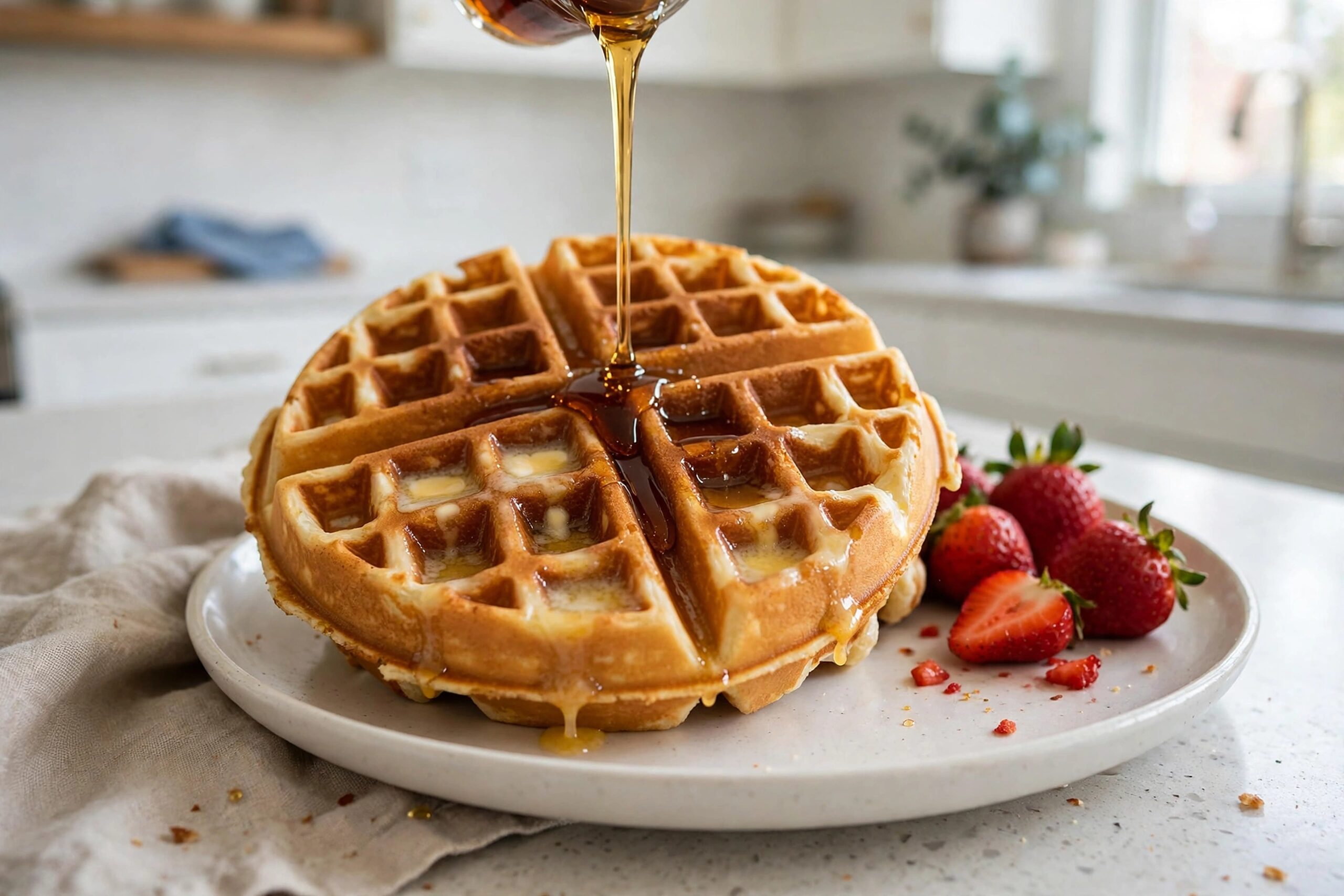
There are waffles, and then there are Belgian Waffles. Tall and golden with deep, generous pockets made for holding melted butter and maple syrup, crisp at the edges and soft as a…

There are waffles, and then there are Belgian Waffles. Tall and golden with deep, generous pockets made for holding melted butter and maple syrup, crisp at the edges and soft as a pillow in the middle — this is the waffle that turns an ordinary Saturday into an occasion, and it is far easier to make at home than most folks expect.
I’m Samuel, and here at Samuel’s Recipes I have strong feelings about breakfast done properly. A Belgian waffle should shatter just a little when your fork goes through it, then give way to a tender, steamy center. The secret is no secret at all: whipped egg whites folded into a rich batter, a properly hot iron, and the patience not to peek while it cooks.
Below you’ll find my complete recipe with step-by-step instructions, the tips that guarantee crisp outsides and fluffy middles, topping ideas the whole family will argue over, and storage advice so a weekday waffle is never more than a toaster cycle away. Plug in the iron and let’s make breakfast.
Why You’ll Love This Recipe
- Crisp outside, fluffy inside: whipped egg whites folded in at the end give these waffles their signature light, airy middle and crackly golden crust.
- Deep pockets for toppings: made in a Belgian-style iron, every waffle has big wells that catch butter, syrup, berries and whipped cream.
- Simple pantry ingredients: flour, eggs, milk, butter and a touch of vanilla — nothing you need a special trip for.
- Ready in about 35 minutes: the batter mixes in minutes, and each waffle cooks in about five.
- Freezer friendly: these reheat beautifully in the toaster, so make a double batch and breakfast is handled all week.
- A crowd pleaser: set out toppings and let everyone build their own — children and grandparents alike go back for seconds.
Ingredients
Dry Ingredients
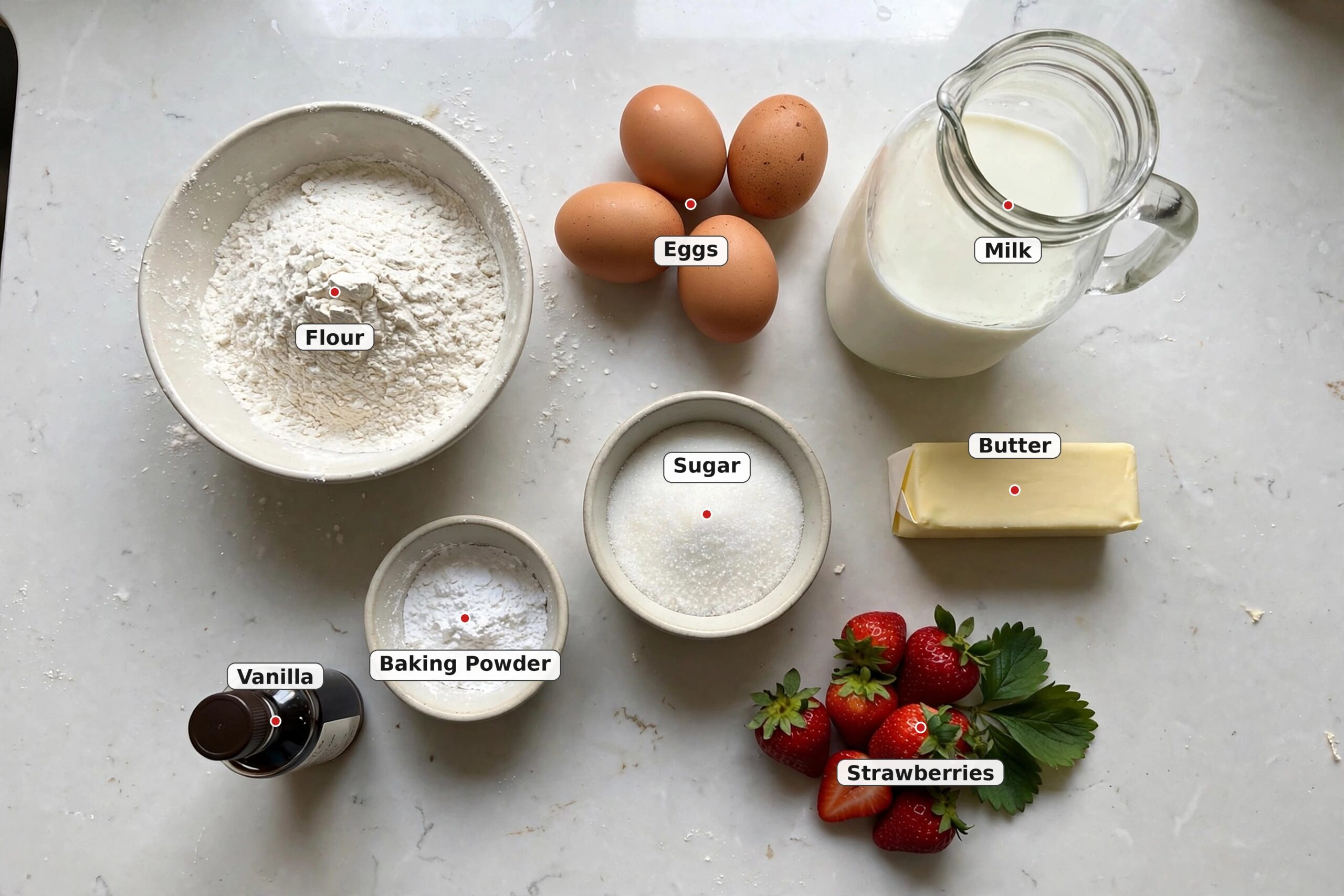
- 2 cups (250 g) all-purpose flour, spooned and leveled
- 1/4 cup (50 g) granulated sugar
- 1 tablespoon baking powder
- 1/2 teaspoon fine salt
- 1/2 teaspoon ground cinnamon (optional, but lovely)
Wet Ingredients
- 1 3/4 cups (420 ml) whole milk, at room temperature
- 2 large eggs, separated
- 1/2 cup (115 g) unsalted butter, melted and slightly cooled
- 2 teaspoons vanilla extract
For Serving
- Softened butter and warm maple syrup
- Fresh strawberries, blueberries or sliced bananas
- Lightly sweetened whipped cream
- A dusting of powdered sugar
Instructions
Step 1: Preheat your Belgian waffle iron according to the manufacturer’s directions — most do best on a medium-high setting. A properly hot iron is half the recipe, so give it a full five minutes to come up to temperature while you mix the batter.
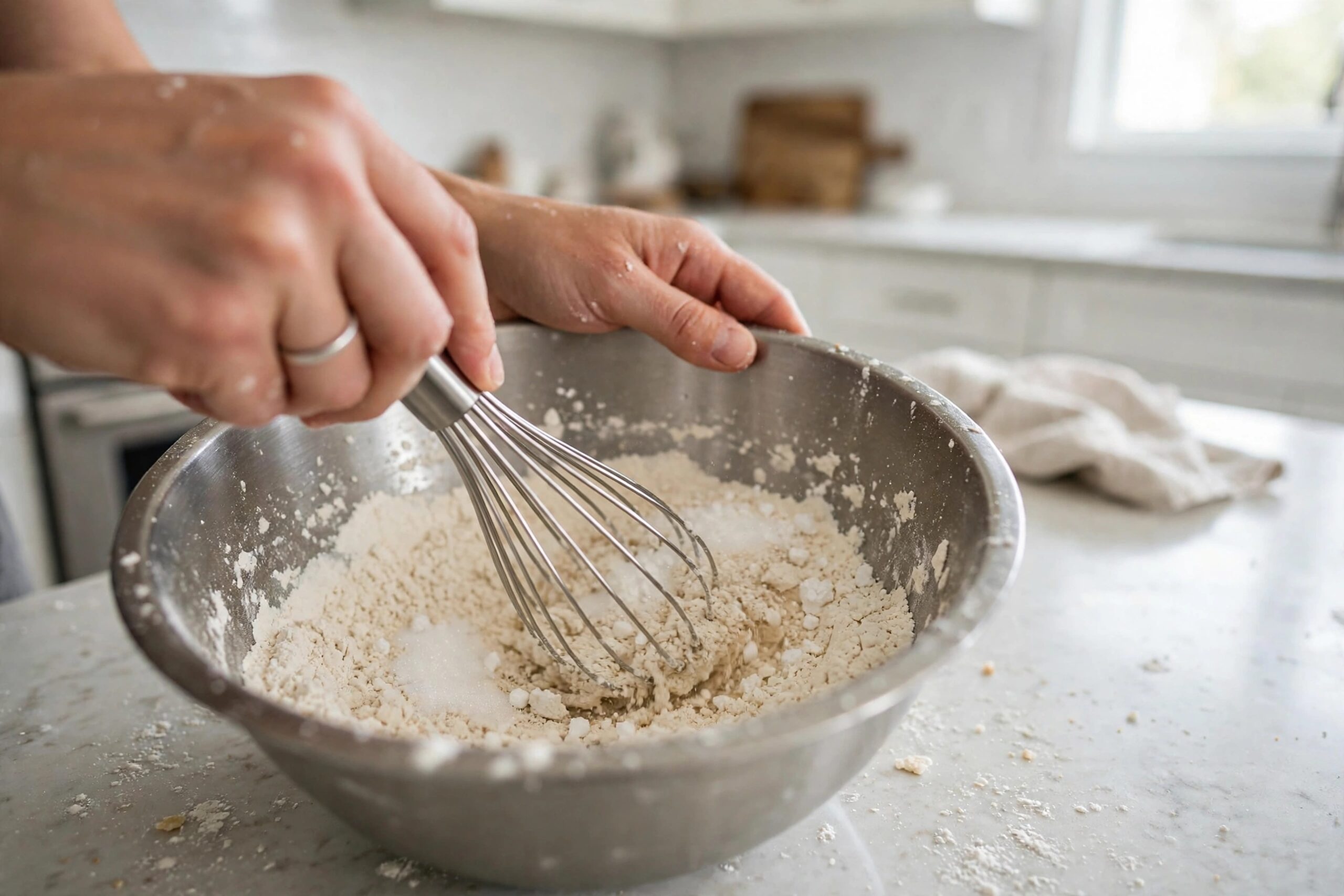
Step 2: In a large mixing bowl, whisk together the flour, sugar, baking powder, salt and cinnamon until evenly combined and airy. Making sure the baking powder is well distributed means every waffle rises the same.
Step 3: In a second bowl, whisk the egg yolks, milk, melted butter and vanilla until smooth. Keep the egg whites in a clean third bowl — they get whipped separately, and that one extra step is what makes these waffles so light.
Step 4: Pour the wet mixture into the dry ingredients and stir gently with a spatula until just combined. The batter will be a little lumpy, and that is exactly right. Overmixing develops gluten and gives you a tough, chewy waffle instead of a tender one.
Step 5: With a hand mixer or a clean whisk, beat the egg whites until they hold soft, glossy peaks — when you lift the whisk, the peak should stand up and curl just slightly at the tip. This takes about 2 minutes and is worth every second.
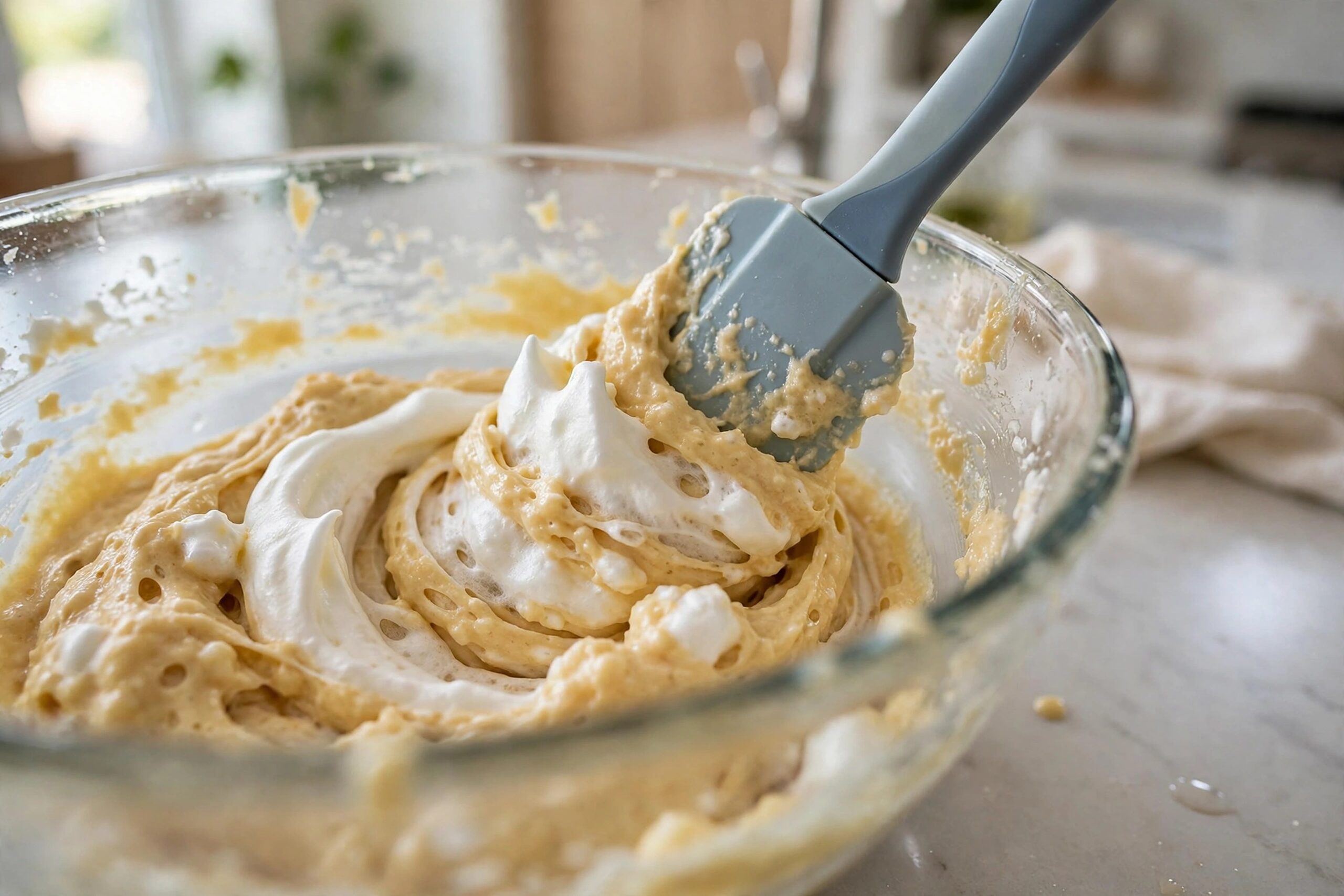
Step 6: Add about a third of the whipped whites to the batter and stir them in to lighten it. Then add the remaining whites and fold gently with a spatula, cutting down through the middle, sweeping up from the bottom and turning the bowl as you go, until no white streaks remain. Work gently — you are trying to keep all that air you just whipped in.
Step 7: Lightly grease the hot iron with a little butter or neutral oil if your iron’s plates need it. Pour in enough batter to just cover the grids — for most 7-inch irons that is about 3/4 cup (180 ml) — spreading it gently toward the edges with the back of a spoon.
Step 8: Close the lid and cook for 4 to 6 minutes, until the waffle is deep golden brown and crisp, and the steam coming from the iron has slowed to a wisp. Resist the urge to open the lid early; an undercooked waffle tears and loses its crisp shell.
Step 9: Lift the waffle out with a fork or silicone tongs and place it on a wire rack — never a plate, where trapped steam softens the crust. If you are serving a crowd, keep finished waffles in a single layer on a rack in a 200°F (95°C) oven while you cook the rest.
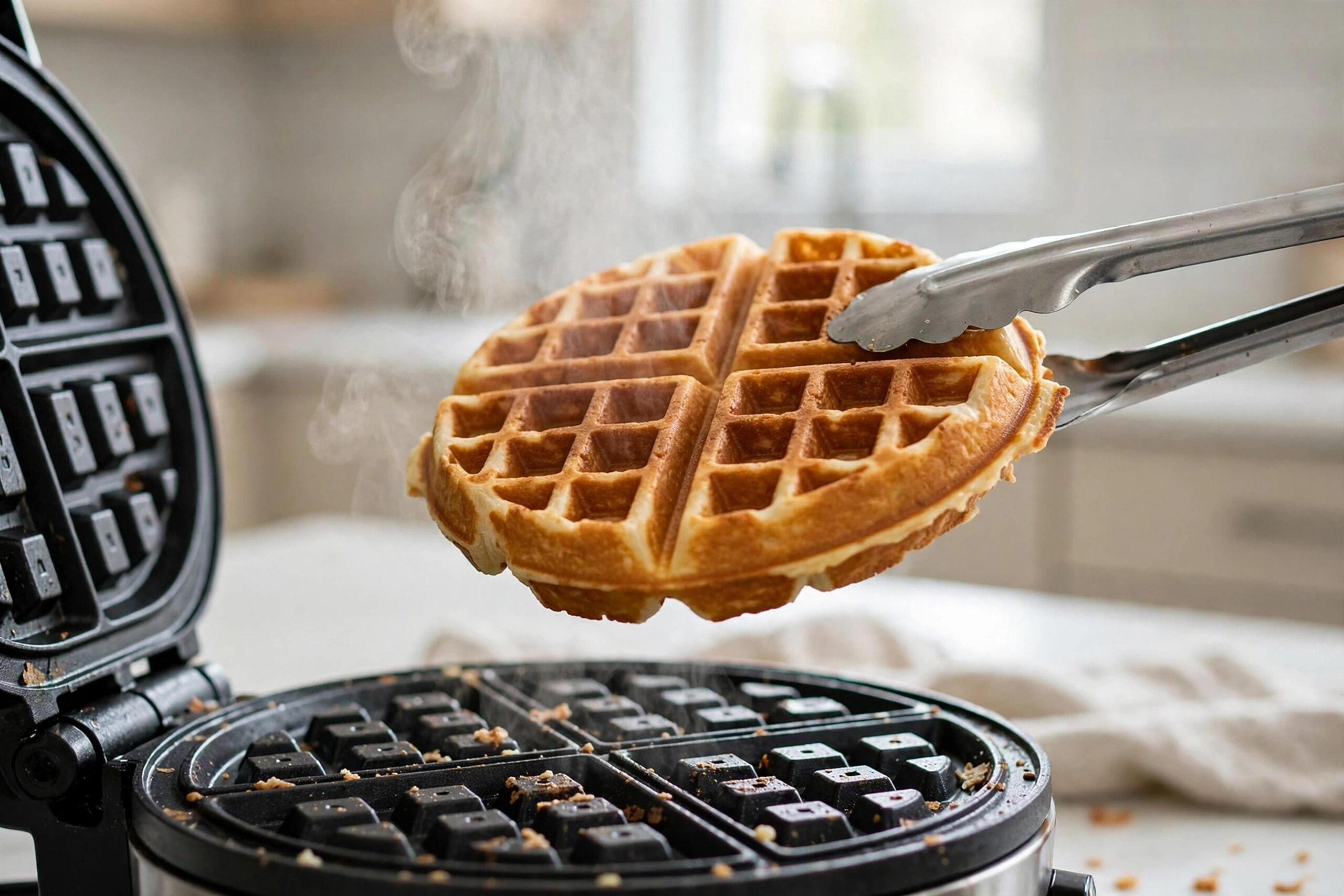
Step 10: Repeat with the remaining batter, greasing the iron lightly between waffles as needed. Serve hot, with butter settling into the pockets, warm maple syrup, berries and a cloud of whipped cream.
 Try this nextSoft Cinnamon Rolls
Tips for Perfect Belgian Waffles
- Whip the whites, every time: it is the difference between a good waffle and a great one. Make sure the bowl is clean and grease-free or the whites won’t whip properly.
- Hot iron, no peeking: let the iron fully preheat and wait for the steam to slow before opening. Most irons have an indicator light — trust it, then give the waffle one extra minute for color.
- Don’t overfill: batter expands as it cooks. A scant measure that leaves a small margin cooks up full and neat; an overfilled iron oozes down the sides.
- Keep them crisp: a wire rack is non-negotiable. Stacking hot waffles on a plate steams them soft in minutes.
- Room-temperature milk: cold milk can re-solidify the melted butter into flecks. Ten minutes on the counter, or a few seconds in the microwave, fixes it.
- Measure flour correctly: spoon it into the cup and level it off so the batter stays light instead of dense.
Easy Variations
Blueberry Belgian Waffles
Fold 1 cup (150 g) of fresh blueberries into the finished batter, or scatter a small handful over the batter right after pouring it into the iron. Frozen berries work too — add them straight from the freezer so they don’t streak the batter purple.
Chocolate Chip Waffles
Fold 3/4 cup (130 g) of mini chocolate chips into the batter. Serve with whipped cream and skip the syrup, or don’t — nobody at my table ever skips the syrup.
Cinnamon-Pecan Waffles
Double the cinnamon and fold in 1/2 cup (60 g) of finely chopped toasted pecans. These are wonderful with warm maple syrup and a little extra butter.
How to Store
Room temperature: waffles are best within the hour, kept on a rack so they stay crisp.
Refrigerator: cool completely and refrigerate in an airtight container for up to 3 days.
Freezer: freeze in a single layer on a baking sheet until solid, then store in a freezer bag with parchment between the waffles for up to 3 months. This is my favorite way to give a busy family a homemade breakfast on a school morning.
Reheating: the toaster is the best tool — one cycle on medium restores the crisp edges and warms the middle. From frozen, toast twice, or warm in a 350°F (175°C) oven for about 10 minutes.
Frequently Asked Questions
What makes a waffle “Belgian”?
Belgian waffles are made in a deeper-grid iron, which gives them their thick shape and big pockets, and the batter is traditionally lightened with whipped egg whites or yeast. This recipe uses whipped whites and baking powder, so you get the classic texture without waiting for a yeast batter to rise.
Can I use this batter in a regular waffle iron?
Yes. The waffles will be thinner with smaller pockets, but the flavor and the crisp-tender texture carry over beautifully. Reduce the batter per waffle to about 1/2 cup and check a minute earlier.
Why did my waffles come out soft instead of crisp?
Usually the iron wasn’t hot enough, the waffles rested on a plate instead of a rack, or they needed another minute. Preheat fully, cook until deep golden, and always cool waffles on a wire rack in a single layer.
Can I make the batter ahead of time?
The batter is best used right away, because the whipped whites deflate as it stands. If you need a head start, whisk the dry ingredients and the yolk mixture separately the night before, refrigerate the wet bowl, then whip and fold the whites in the morning.
Can I substitute the milk?
Buttermilk makes a slightly tangier, extra-tender waffle — use it cup for cup. For a dairy-free version, unsweetened almond or oat milk and melted coconut oil in place of the butter both work well.
Final Thoughts
A plate of Belgian waffles, steam rising, butter melting into every pocket, is about as fine a way to start a day as I know. The recipe asks for one extra bowl and two minutes of whipping, and it pays you back with waffles that taste like a special occasion.
Make a batch this weekend, set out every topping you have, and let the family build their own. Then come back and tell me in the comments what went into your pockets — syrup, berries, or the full works. Happy cooking!
Samuel
Belgian Waffles
There are waffles, and then there are Belgian Waffles. Tall and golden with deep, generous pockets made for holding melted butter and maple syrup, crisp at the edges and soft as a…
Ingredients
Dry Ingredients
Wet Ingredients
Serving
Method
- 1Preheat your Belgian waffle iron according to the manufacturer’s directions — most do best on a medium-high setting. A properly hot iron is half the recipe, so give it a full five minutes to come up to temperature while you mix the batter.
- 2In a large mixing bowl, whisk together the flour, sugar, baking powder, salt and cinnamon until evenly combined and airy. Making sure the baking powder is well distributed means every waffle rises the same.
- 3In a second bowl, whisk the egg yolks, milk, melted butter and vanilla until smooth. Keep the egg whites in a clean third bowl — they get whipped separately, and that one extra step is what makes these waffles so light.
- 4Pour the wet mixture into the dry ingredients and stir gently with a spatula until just combined. The batter will be a little lumpy, and that is exactly right. Overmixing develops gluten and gives you a tough, chewy waffle instead of a tender one.
- 5With a hand mixer or a clean whisk, beat the egg whites until they hold soft, glossy peaks — when you lift the whisk, the peak should stand up and curl just slightly at the tip. This takes about 2 minutes and is worth every second.
- 6Add about a third of the whipped whites to the batter and stir them in to lighten it. Then add the remaining whites and fold gently with a spatula, cutting down through the middle, sweeping up from the bottom and turning the bowl as you go, until no white streaks remain. Work gently — you are trying to keep all that air you just whipped in.
- 7Lightly grease the hot iron with a little butter or neutral oil if your iron’s plates need it. Pour in enough batter to just cover the grids — for most 7-inch irons that is about 3/4 cup (180 ml) — spreading it gently toward the edges with the back of a spoon.
- 8Close the lid and cook for 4 to 6 minutes, until the waffle is deep golden brown and crisp, and the steam coming from the iron has slowed to a wisp. Resist the urge to open the lid early; an undercooked waffle tears and loses its crisp shell.
- 9Lift the waffle out with a fork or silicone tongs and place it on a wire rack — never a plate, where trapped steam softens the crust. If you are serving a crowd, keep finished waffles in a single layer on a rack in a 200°F (95°C) oven while you cook the rest.
- 10Repeat with the remaining batter, greasing the iron lightly between waffles as needed. Serve hot, with butter settling into the pockets, warm maple syrup, berries and a cloud of whipped cream.
Notes
Room temperature: waffles are best within the hour, kept on a rack so they stay crisp. Refrigerator: cool completely and refrigerate in an airtight container for up to 3 days.